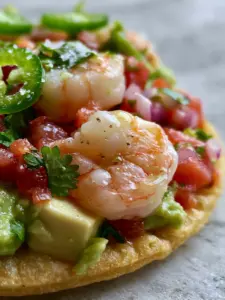
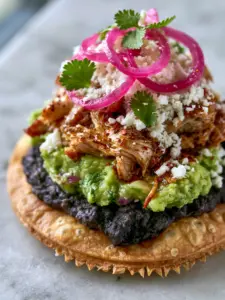
Experience the vibrant, crunch-heavy world of authentic Mexican cuisine with this masterclass in pico de gallo. Unlike blended salsas that can become watery or muddled, a true salsa fresca relies on precision knife work and the freshest seasonal produce. This recipe yields a stunning, artisanal result that looks as though it stepped right out of a high-end Oaxacan kitchen.
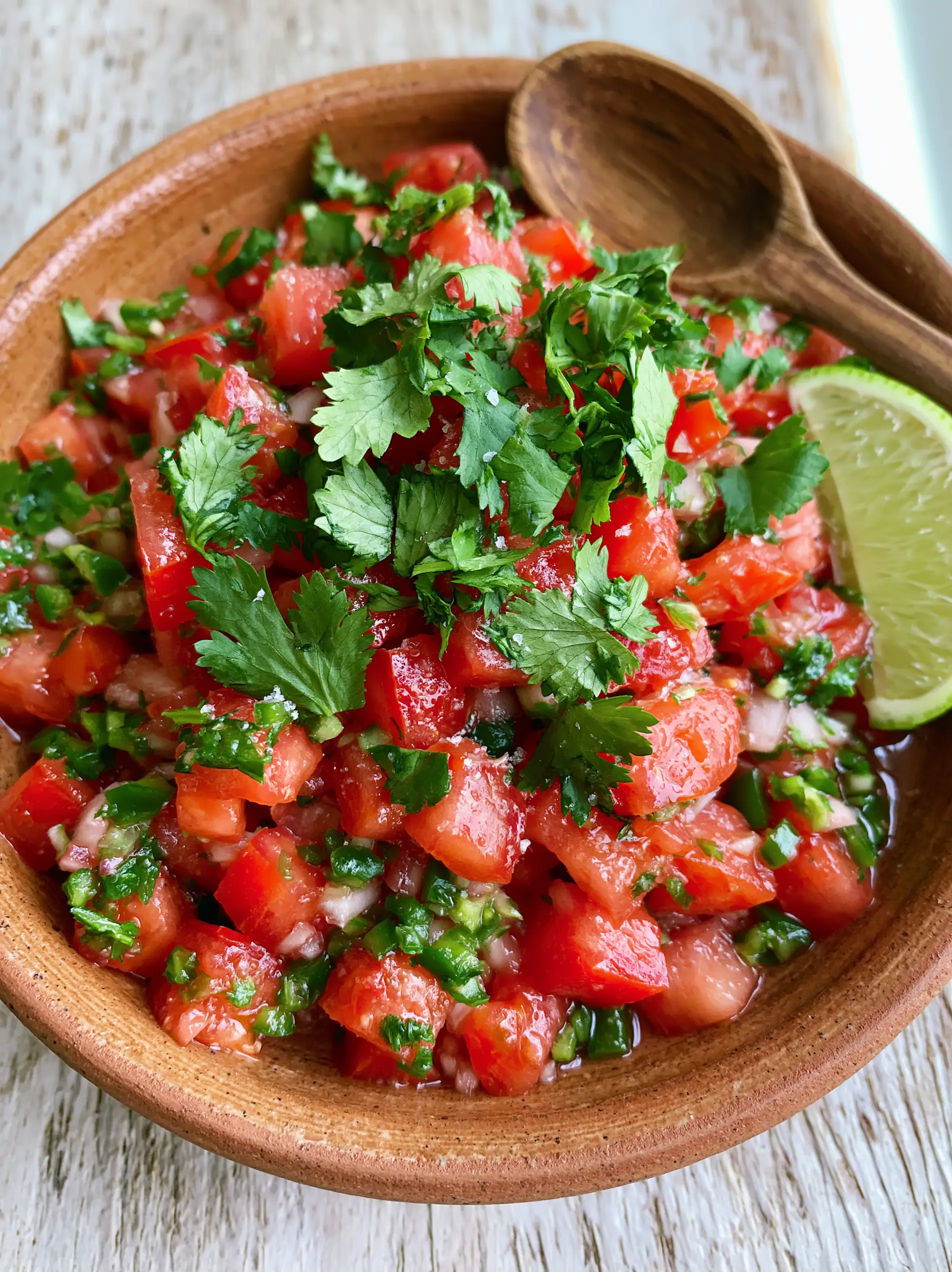
The beauty of a perfect pico de gallo lies in its structural integrity. Every ingredient is a distinct, jewel-like cube of flavor, glistening with a light citrus glaze and punctuated by the sharp bite of white onion. Whether you are topping sizzling chicken fajitas or looking for the perfect bright finish for crispy shrimp tostadas, this method ensures a restaurant-quality finish every single time.
The Anatomy of a Perfect Non-Soggy Salsa Fresca
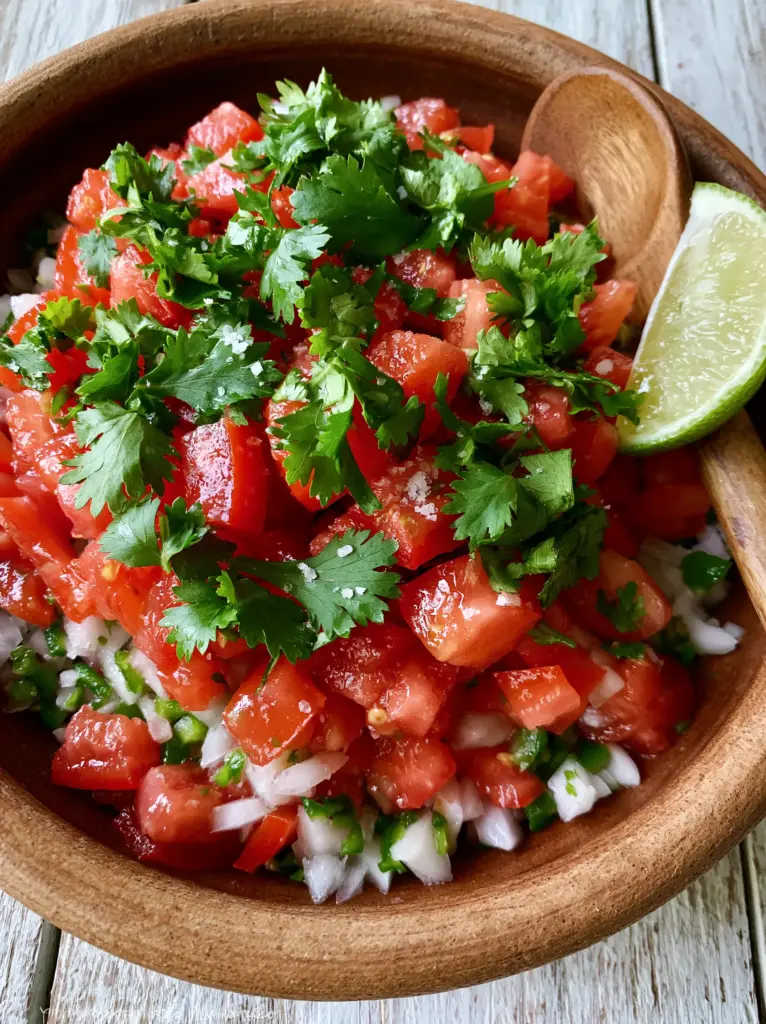
The most common complaint with homemade pico de gallo is the “soup” that forms at the bottom of the bowl. Our visual blueprint demands a firm, dry, and glistening texture. To achieve this, we focus on the “forensic” details of the tomato—removing the watery seeds and pulp entirely before dicing the firm outer flesh into ruby-red cubes.
Beyond the tomato, the ratio of acidity to salt is what transforms raw vegetables into a cohesive condiment. By using fresh lime juice and flaky sea salt, we create a light “glaze” that coats the vegetables without breaking down their cell walls too quickly. This keeps your salsa crisp for hours, making it the ideal companion for fiesta lime chicken during a busy weeknight.
- Firmness First: We utilize Roma tomatoes specifically for their low moisture content and thick walls.
- Emerald Heat: Minced jalapeños are cleaned of their pith to provide a clean, sharp heat that doesn’t overwhelm the palate.
- Artisanal Finish: Instead of a muddy, fine-chopped herb, we use hand-torn cilantro leaves to maintain a bright green, rustic appearance.
- Structural Crunch: Precise 1/4-inch (6mm) dicing ensures every bite has a consistent, satisfying snap.
The Essential Component List for Maximum Crunch
To achieve the visual and sensory profile of a professional-grade pico de gallo, you need ingredients that offer high-contrast colors and textures. Below is the curated list required for this artisanal preparation.
The Vibrant Vegetable Foundation
1 lb (450g) Roma Tomatoes: These must be firm to the touch. Roma tomatoes are the “steak” of the tomato world, offering the structural rigidity needed for those perfect ruby-red cubes without falling apart.
1 medium (200g) White Onion: While red onions are sweet, white onions provide that classic, sharp, “clean” bite essential for an authentic profile. Their stark white color provides a beautiful visual contrast against the red and green.
2 medium (30g) Jalapeños: Look for smooth, emerald-green skins. For a milder pico de gallo, remove all seeds and white membranes, leaving only the crisp, spicy flesh to be finely minced.
The Finishing Glaze and Aromatics
1/2 cup (15g) Fresh Cilantro: Move away from the knife for this one. Hand-tearing the leaves prevents bruising and ensures the “bright green, hand-torn” look specified in our culinary blueprint.
2 tbsp (30ml) Freshly Squeezed Lime Juice: Avoid bottled juice at all costs. The citric acid in fresh lime juice acts as a natural flavor enhancer that makes the vegetable colors “pop.”
1 tsp (5g) Flaky Sea Salt: Unlike table salt, flaky sea salt (like Maldon) provides a visible “dusting” on the vegetables and a concentrated burst of seasoning that doesn’t draw out moisture as aggressively.
Tools for the Artisanal Home Chef
Achieving a “top-down, smartphone photo” level of beauty requires the right equipment. To get those perfectly uniform cubes, you need more than just a standard kitchen knife.
- Sharp Chef’s Knife: A dull blade will crush the tomato skin rather than slicing it, leading to the dreaded pooled liquid.
- Non-Reactive Mixing Bowl: Use a rustic terracotta or glass bowl to prevent the lime juice from reacting with metal, which can impart a tinny taste.
- Small Serrated Knife: This is the “secret weapon” for making the initial cuts into tomato skins without applying pressure.
Mastering the Technique: A Step-by-Step Guide
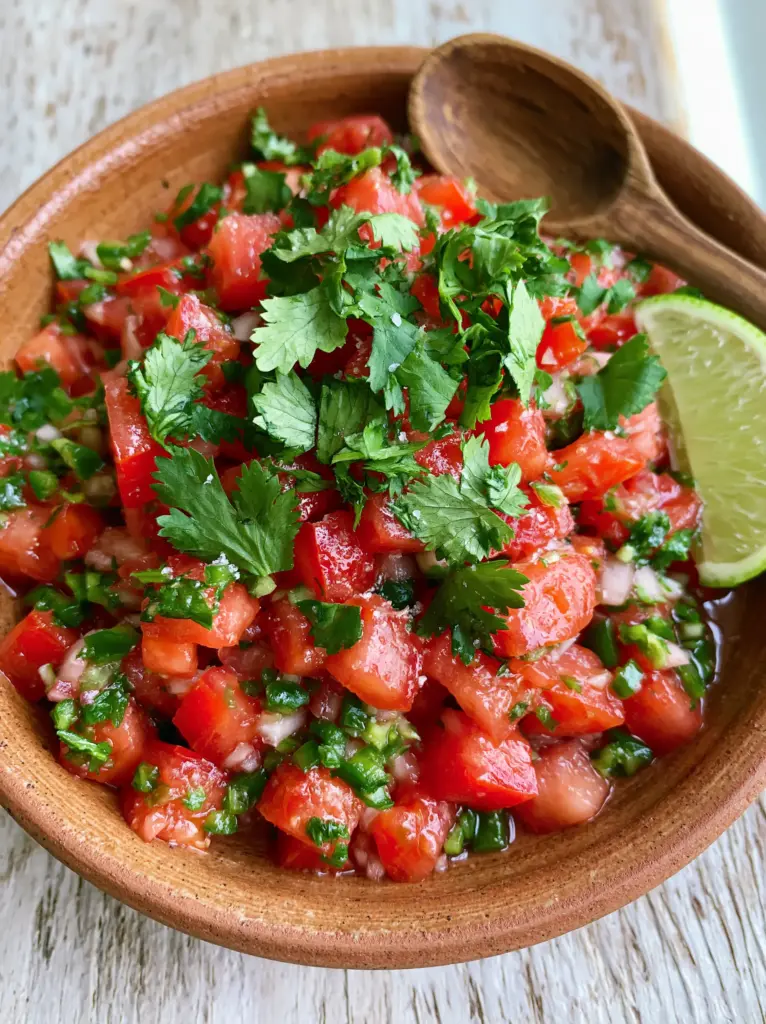
Follow these steps to ensure your pico de gallo matches the visual prompt of being “distinct and glistening” with “crisp edges.”
Step 1: The Tomato Deseeding Process
Slice your Roma tomatoes in half lengthwise. Use a small spoon or your thumb to scoop out all the watery seeds and gel-like pulp. Discard the “guts” or save them for a soup in your stainless steel pot. Pat the hollowed-out tomato shells dry with a paper towel.
Step 2: Precision Dicing for Uniformity
Slice the dry tomato shells into uniform strips, then turn them 90 degrees to create 1/4-inch (6mm) cubes. Repeat this process with the white onion, aiming for slightly smaller pieces than the tomatoes to ensure the onion flavor complements rather than dominates. Mince the jalapeño even finer—think “emerald dust”—to distribute heat evenly.
Step 3: Hand-Tearing the Cilantro
Wash and thoroughly dry your cilantro. Instead of using a knife, which can darken the edges of the herb, gently tear the leaves away from the stems by hand. This preserves the essential oils and keeps the leaves looking “bright green” and rustic.
Step 4: The Final Toss and Glaze
Place the onions and jalapeños in the bottom of your matte-finish terracotta bowl. Layer the tomato cubes on top. Drizzle the fresh lime juice over the mixture and sprinkle the flaky sea salt. Use a wooden spoon to toss gently—over-mixing will bruise the tomatoes and create liquid. The result should be vegetables that are glistening, not submerged.
Expert Tips for Success
- The 20-Minute Rule: While you can eat pico de gallo immediately, letting it sit for 20 minutes allows the lime juice to slightly macerate the onions, taking away their raw “burn.”
- Temperature Control: Serve this at cool room temperature. If it’s too cold from the fridge, the flavors of the tomato and lime juice will be muted.
- Avoid the Food Processor: A food processor will turn this into a chunky puree. To get the “uniform cubes” look, manual knife work is non-negotiable.
- Salt Timing: Only salt the dish right before serving if you need it to stay bone-dry for a long period, as salt naturally draws out moisture over time.
Storage and Freshness Guidelines
Pico de gallo is a “live” salad and is best consumed within 4 to 6 hours of preparation. If you have leftovers, store them in an airtight glass container in the refrigerator for up to 2 days. Note that the tomatoes will soften and release liquid over time.
Do not freeze this recipe. The freezing and thawing process destroys the cellular structure of the tomatoes and onions, resulting in a mushy texture that loses the “crisp edges” we worked so hard to achieve.
What to Serve With This Artisanal Salsa
This versatile condiment is a staple for quick weeknight meals. Its acidity cuts through rich meats and adds a fresh dimension to starch-heavy dishes.
Try it as a bright garnish for classic huevos rancheros at breakfast, or use it to add a fresh “pop” to a bowl of smoky chicken tinga. It even works surprisingly well as a topping for a rustic Italian bake if you want to experiment with fusion flavors.
Frequently Asked Questions
Yes, but white onion is traditional for its sharp, clean bite. Red onion is sweeter and will change the classic flavor profile and color contrast of the dish.
The secret is to use firm Roma tomatoes and completely remove the inner seeds and pulp before dicing. Additionally, using flaky sea salt and serving immediately helps maintain the vegetable’s structural integrity.
It is best served within 4-6 hours. While it can be stored for up to 2 days, the tomatoes will soften and release liquid, losing the ‘crisp’ texture of a fresh salsa fresca.
Pico de gallo is a type of salsa (salsa fresca), but it is distinct because the ingredients are raw and diced into chunks rather than being blended or cooked into a liquid sauce.
Hand-tearing prevents the delicate leaves from bruising and oxidizing, which keeps them a vibrant green color and provides a more rustic, artisanal look to the final dish.
The Authentic Pico de Gallo Recipe Card
Pico de Gallo: The Ultimate Authentic Mexican Salsa Fresca Recipe
Ingredients
Equipment
Method
- Slice Roma tomatoes in half and remove all seeds and watery pulp. Pat dry and dice into uniform 1/4-inch (6mm) cubes.
- Finely dice the white onion and mince the jalapeños, ensuring they are smaller than the tomato cubes for even distribution.
- Gently hand-tear the cilantro leaves, discarding the heavy stems, to keep the herbs bright and rustic.
- In a terracotta bowl, layer the onions, jalapeños, and tomatoes.
- Drizzle with lime juice and sprinkle with flaky sea salt. Toss gently with a wooden spoon until the vegetables are glistening and coated.
Notes
Let the mixture sit for 15-20 minutes before serving to allow flavors to meld.
Closing & Call to Action
Creating the perfect pico de gallo is a testament to the power of simple ingredients treated with respect. By focusing on firm Roma tomatoes, sharp white onions, and that signature hand-torn cilantro, you’ve mastered a foundational element of Mexican cuisine that elevates any meal. If you enjoyed this recipe, please leave a comment below and share your results on Pinterest!