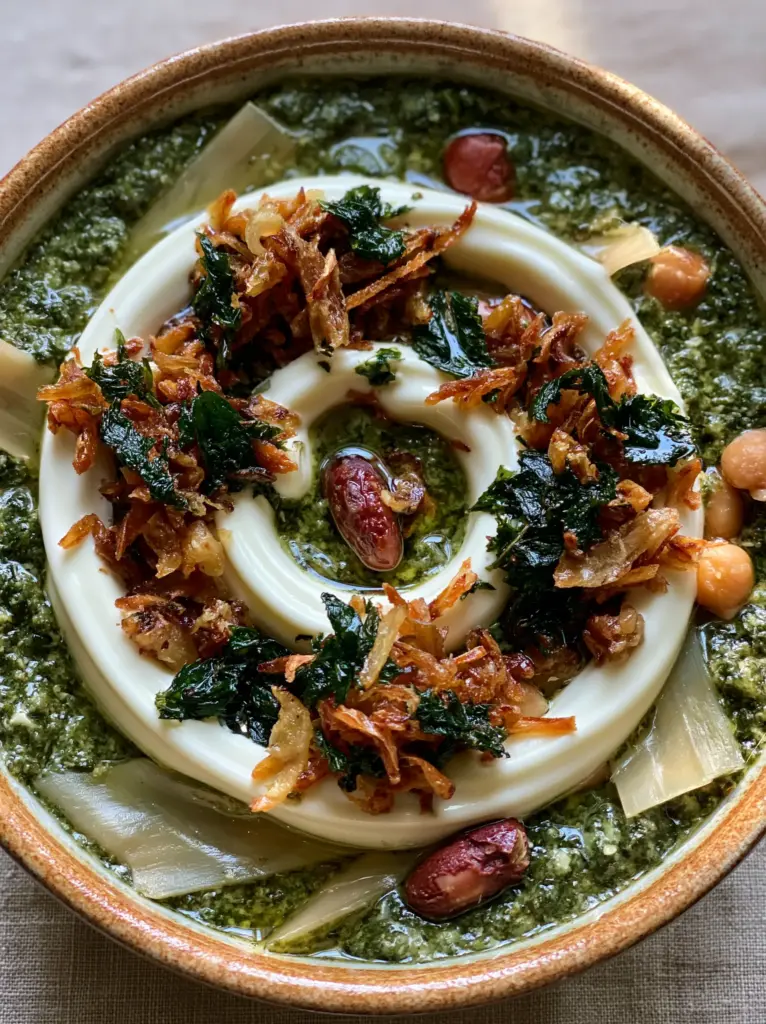
There is nothing quite as comforting as a steaming bowl of authentic Ash Reshteh, a legendary Persian Soup Recipe that defines the soul of Iranian cuisine. This isn’t just a meal; it’s a textural masterpiece, featuring a deep forest-green broth teeming with fresh herbs, hearty legumes, and silken wheat noodles.
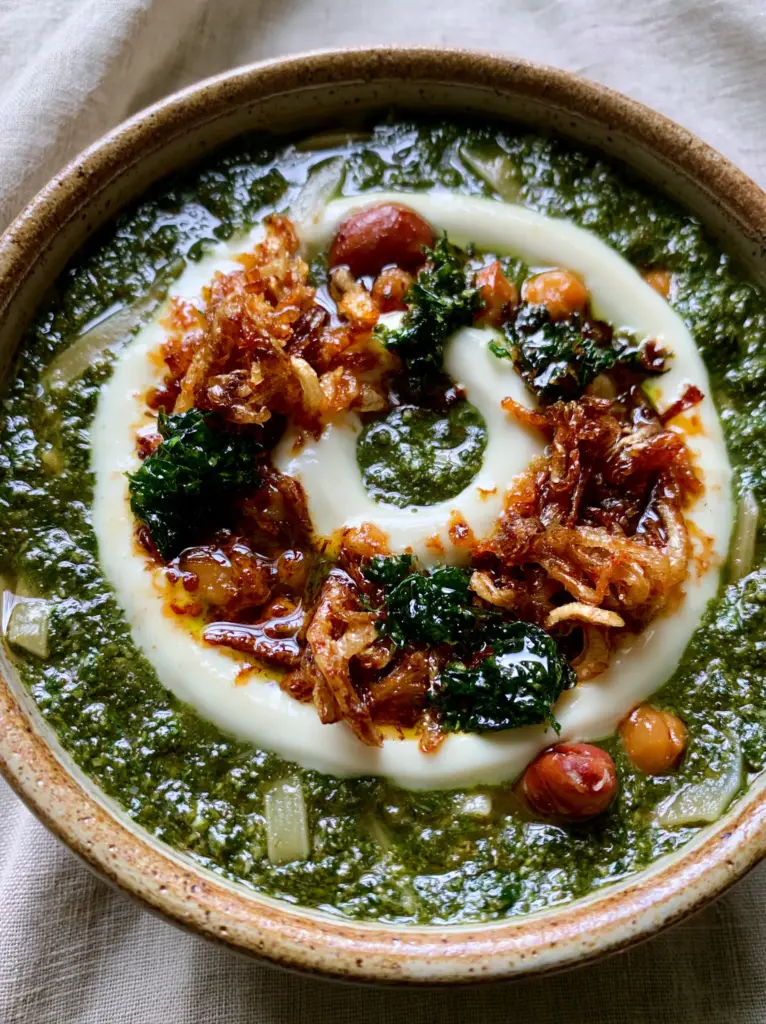
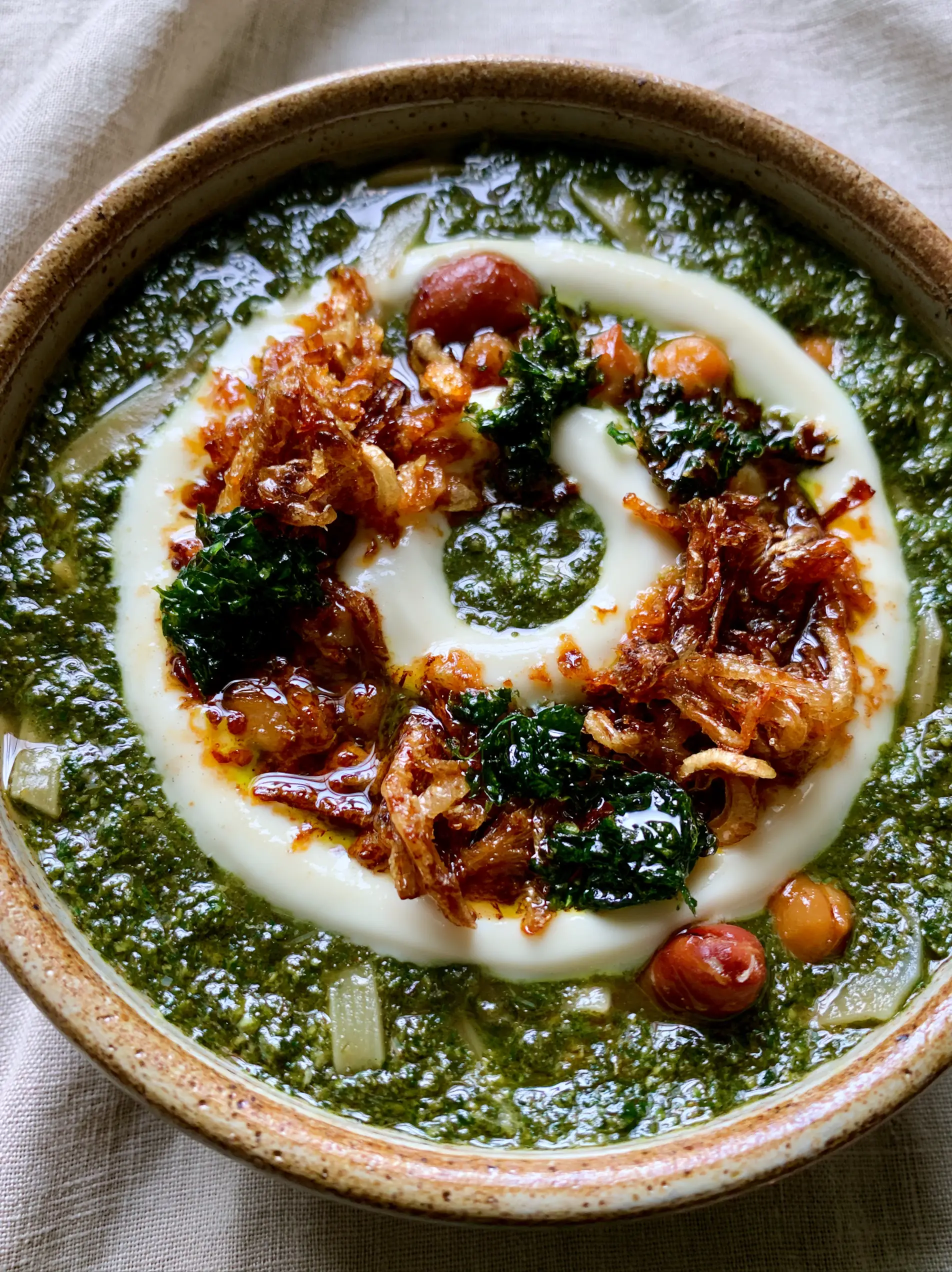
To achieve the visual perfection seen in our guide, we focus on the contrast between the thick, herb-rich base and the artistic garnishes. Imagine a vibrant green surface decorated with meticulous swirls of creamy white kashk, crispy golden-brown onions, and a shimmering drizzle of dark emerald-green mint oil.
Whether you are celebrating the Persian New Year or looking for a nutrient-dense lunch, this Persian Soup Recipe offers a complex flavor profile that is both tangy and earthy. It is a dish that invites you to slow down and savor the sensory cues of sizzling mint and the aroma of sautéed garlic.
Why This Vibrant Herb Soup Is a Culinary Masterpiece
- Textural Harmony: The combination of tender chickpeas, plump kidney beans, and flat wheat noodles creates a satisfying “bite” in every spoonful.
- Herb-Dense Nutrition: A massive volume of parsley, cilantro, and spinach provides a deep forest-green hue and a boost of antioxidants.
- The Umami Garnish: The use of kashk (fermented whey) introduces a unique creaminess and tang that balances the earthy herbs.
- Visual Contrast: The dark mint-infused oil and golden onions create a restaurant-quality presentation that is surprisingly easy to achieve at home.
The Vital Ingredients for Your Persian Soup Recipe
Flat Wheat Noodles (Reshteh): 8 oz (225g). These salty, flat noodles are the backbone of the dish, providing the necessary starch to thicken the broth into a textured consistency.
Fresh Spinach and Herbs: 1 lb (450g) spinach, 1 cup (60g) parsley, 1 cup (60g) cilantro, and 1/2 cup (30g) chives. This massive quantity of greens is what creates the signature “deep forest-green” broth described in our visual blueprint.
Kashk (Liquid Whey): 1/2 cup (120ml). This creamy, fermented dairy product is essential for the iconic white swirls and provides a distinct, tangy umami flavor profile.
Chickpeas and Red Kidney Beans: 1 can (15 oz/425g) each. These legumes must be softened until they “peek through the surface” of the thick broth, adding protein and heartiness.
Dried Mint and Onions: 2 tbsp (6g) mint and 2 large onions. The onions are fried until golden-brown (Piaz Dagh), while the mint is bloomed in oil to create that shimmering emerald-green finish.
Foundational Seasonings: 1 tsp (5g) turmeric, 4 cloves garlic, and 2 tbsp (30ml) vegetable oil. Turmeric provides the golden glow to the onions, while the oil is the medium for searing and blooming spices.
Essential Equipment for a Perfect Persian Pot
To master this recipe, you will need a large stainless steel pot to allow the herbs and noodles sufficient room to expand. A heavy-bottomed pot ensures even heat distribution, preventing the thick herb broth from scorching.
You will also need a small skillet for the “Nana Dagh” (mint oil) and a sharp chef’s knife for finely chopping the mountain of fresh herbs. A squeeze bottle or a small spoon is helpful for creating those precise kashk spirals on the surface.
A Step-by-Step Guide to the Perfect Emerald Broth
1. Sautéing the Aromatic Foundation
Heat 2 tbsp (30ml) of oil in your pot over medium heat. Thinly slice the onions and fry them until they reach a deep, crispy golden-brown. Remove half for garnishing later.
Add the minced garlic and 1 tsp (5g) of turmeric to the remaining onions in the pot. Sauté for 1 minute until the garlic is fragrant and the oil takes on a bright yellow hue, which is the secret to a professional flavor base.
2. Simmering the Herbs and Legumes
Add 8 cups (1.9L) of water or vegetable broth to the pot. Stir in the drained chickpeas and kidney beans. Bring the mixture to a gentle boil.
Finely chop the spinach, parsley, cilantro, and chives. Add them to the pot. The broth will initially look like a mountain of greens, but they will wilt down into a “thick, textured, deep forest-green broth” as they simmer for 20 minutes.
3. Cooking the Reshteh Noodles
Break the flat wheat noodles in half and stir them into the simmering herb broth. The noodles will release starch, naturally thickening the liquid into a velvety consistency.
Simmer for another 10-15 minutes. You are looking for a visual cue: the noodles should be pale and tender, and the soup should be thick enough to hold the weight of the garnishes on its surface.
4. Creating the Emerald Mint Oil and Kashk Swirls
In a small skillet, heat 2 tbsp (30ml) of oil. Turn off the heat and stir in the dried mint. The mint will “bloom,” turning into a dark, shimmering emerald-green oil within seconds—be careful not to burn it.
Thin the kashk with 1-2 tbsp (15-30ml) of warm water until it reaches a pourable, creamy consistency. This ensures it will create smooth, distinct spirals rather than clumps.
Expert Secrets for the Ultimate Herb Texture
- Don’t Scrimp on Herbs: The volume of herbs should feel “excessive” when raw; they are the primary flavoring agent and thickener of this soup.
- Noodle Saltiness: Reshteh noodles are naturally salty. Always taste your broth before adding extra sea salt to avoid over-seasoning.
- The Blooming Technique: Never sauté dried mint in boiling oil; the residual heat of warm oil is enough to extract the color and aroma without bitterness.
- Consistency Check: If your soup becomes too thick (the “ladle test”), add a splash of boiling water to loosen the broth while maintaining the forest-green color.
Keeping Your Persian Soup Recipe Fresh
This Persian Soup Recipe actually improves with age as the flavors meld. You can store the base soup (without garnishes) in an airtight container in the refrigerator for up to 4 days.
When reheating, you may need to add a half-cup of water, as the noodles will continue to absorb liquid. For the best visual results, always prepare fresh mint oil and kashk swirls right before serving to maintain that handheld smartphone photo aesthetic.
What to Serve with Your Persian Herb Soup
In a traditional Iranian home, this soup is a meal in itself, but it pairs beautifully with warm lavash or sangak bread. For a complete feast, consider serving it alongside a fresh pico de gallo-style salad or even moroccan meatballs for extra protein.
If you’re exploring more international bowl-based comfort foods, our spicy chicken ramen soup or a vibrant ratatouille soup are excellent follow-ups for your weekly meal plan. For those seeking summer soup recipes, this herb broth can even be served lukewarm for a refreshing change.
Frequently Asked Questions
Yes, Reshteh are flat Persian wheat noodles that are often saltier and sturdier than Italian linguine, helping to thicken the soup more effectively.
Absolutely. Simply replace the kashk garnish with a swirl of thinned vegan yogurt or a dollop of coconut cream mixed with lime.
Turn off the heat before adding dried mint to the oil. The residual heat is sufficient to bloom the mint without scorching the delicate leaves.
If you cannot find kashk, a mixture of sour cream or Greek yogurt with a splash of lemon juice provides a similar tangy, creamy profile.
Brown broth usually results from over-sautéing the herbs or using dried herbs instead of fresh. Use a massive volume of fresh spinach and parsley for that forest-green hue.
The Ultimate Authentic Ash Reshteh Recipe
Persian Soup Recipe: Authentic Ash Reshteh with Emerald Mint Oil
Ingredients
Equipment
Method
- Sauté sliced onions in oil until golden-brown and crispy. Set half aside for garnish.
- Add minced garlic and turmeric to the pot, cooking for 1 minute until fragrant.
- Add 8 cups of water/broth and the legumes. Bring to a boil.
- Add the mountain of chopped herbs and spinach. Simmer for 20 minutes until the broth turns deep forest-green.
- Stir in Reshteh noodles and simmer for 15 minutes until tender and soup has thickened.
- Ladle into bowls. Decorate with kashk spirals, fried onions, and a drizzle of bloomed mint oil.
Notes
Thin the kashk with warm water to get the perfect spiral consistency.
Closing & Call to Action
The beauty of this Persian Soup Recipe lies in its vibrant colors and deep, traditional roots. From the first aromatic sizzle of the onions to the final swirl of creamy kashk, it is a culinary journey that rewards the senses. We would love to see your emerald broth creations! Leave a comment below with your favorite herb combinations, and don’t forget to share your photos and follow us on Pinterest for more global inspiration.